The Heart of the Stud's Water Garden
Water features aren't just decorative elements at the Irish National Stud — they're the soul of the Japanese garden experience. We're talking about carefully designed ponds, flowing streams, and carefully maintained koi populations that you'll want to spend time observing.
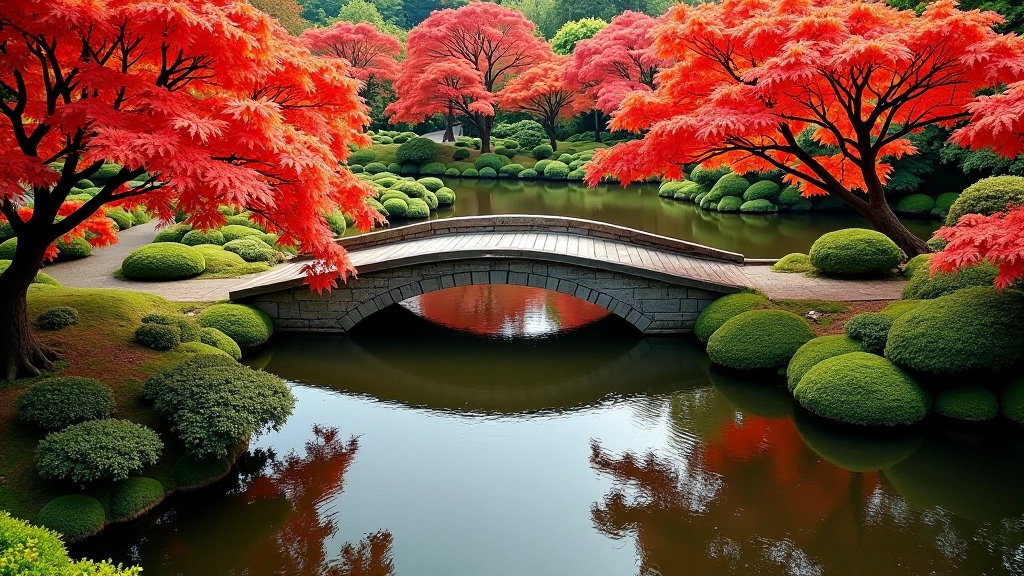
The main koi pond sits in the heart of the Japanese Garden section. It's about 40 meters long and surrounded by stepping stones, viewing platforms, and strategically planted vegetation. The water's clarity means you'll actually see what's happening beneath the surface — and there's plenty happening.
Understanding the Koi Population
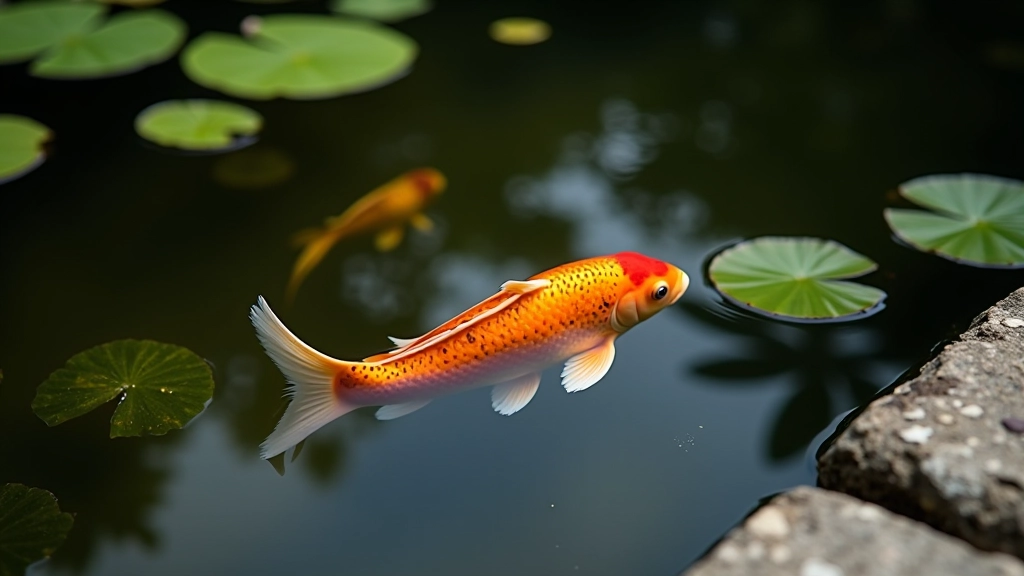
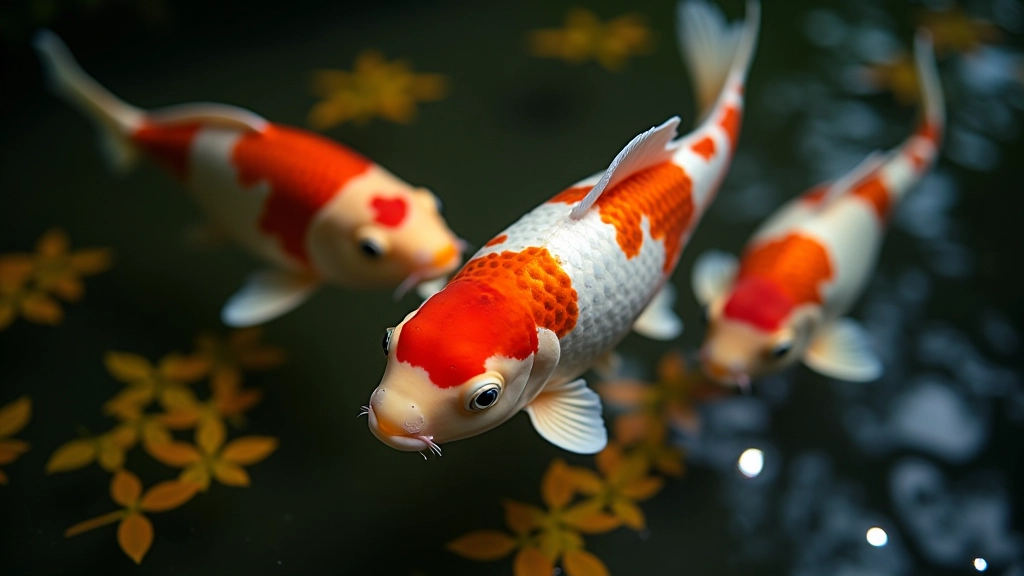
The Stud's main pond hosts over 150 koi, ranging from juveniles to fish that've been living here for 20+ years. You'll see varieties like kohaku (red and white), sanke (three-colored), and metallic variants that catch the light brilliantly.
Here's what you won't see unless you look carefully: the hierarchy. Larger fish dominate feeding areas. Certain individuals have distinct personalities — some approach visitors immediately, while others stay hidden in deeper sections. The biggest fish here are around 60 centimeters long, which takes roughly 8-10 years to achieve.
Best time to observe them actively? Early morning or late afternoon when the water's cooler. Mid-day they'll often rest in shaded areas. Spring and autumn bring the most vibrant colors as the fish prepare for seasonal changes.
The Design Elements You Should Notice
Japanese garden design doesn't do things randomly, and neither does the Stud's water garden. Every element serves a purpose. The stepping stones aren't just decorative — they're positioned to create specific viewpoints of the water from different angles. Some views are intentionally framed by vegetation to create what's called "borrowed scenery."
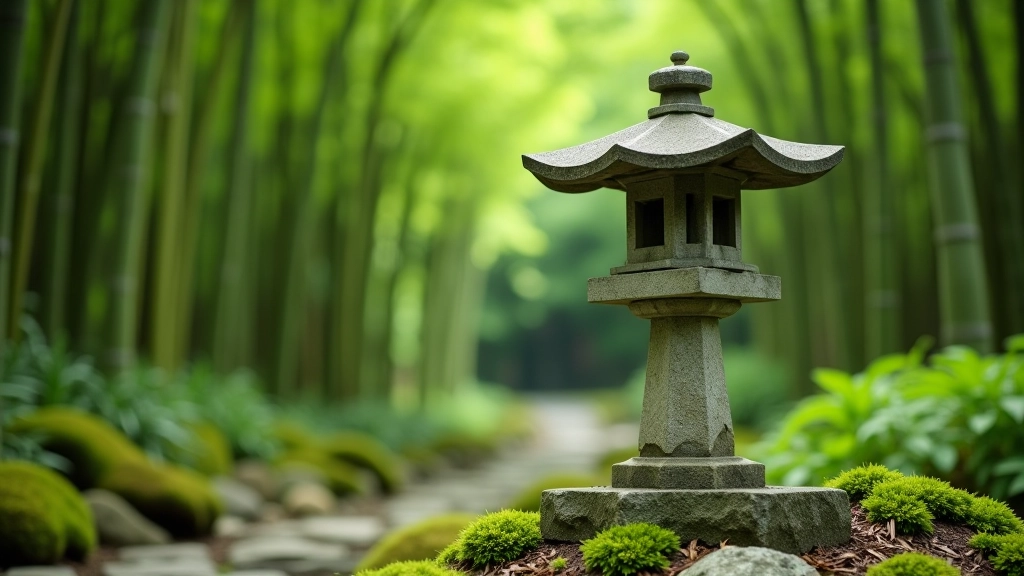
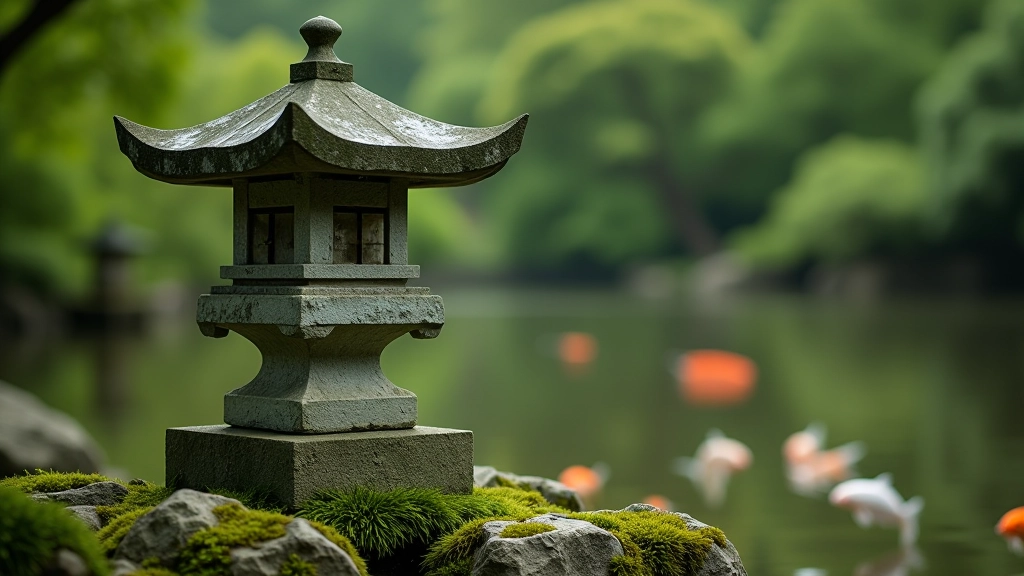
You'll spot stone lanterns (toro) placed at strategic points. They're not there for nighttime lighting — they're design anchors that help structure the space. The moss-covered stone walls that frame sections of the pond aren't accidents either. They're maintained deliberately to suggest age and harmony with nature.
The waterfall at the northern end of the main pond deserves attention. It's designed to look natural, but there's real engineering involved. The rocks are positioned to create different water sounds depending on flow rate. In autumn, when water levels drop, you'll hear a different acoustic quality than in spring.
A Note on Pond Safety
The ponds at the Stud are working water features with variable depths (up to 1.5 meters in the main pond). Pathways and viewing platforms are clearly marked, but it's important to stay on designated routes, especially during wet weather. Children should always be supervised near water features. The stepping stones can be slippery after rain.
Seasonal Changes in the Water Garden
The water features transform throughout the year. In spring, you'll see fresh growth along the banks and increased fish activity as water temperatures rise. The azaleas and rhododendrons that frame the upper pond sections bloom in vibrant pinks and purples.
Summer brings lush vegetation, but it's also when algae can dominate if you're not careful. The Stud maintains a balance through aquatic plant management. You'll notice water lilies blooming from June onward. The lotus varieties (which appear in certain sections) open in the early morning and close by afternoon.
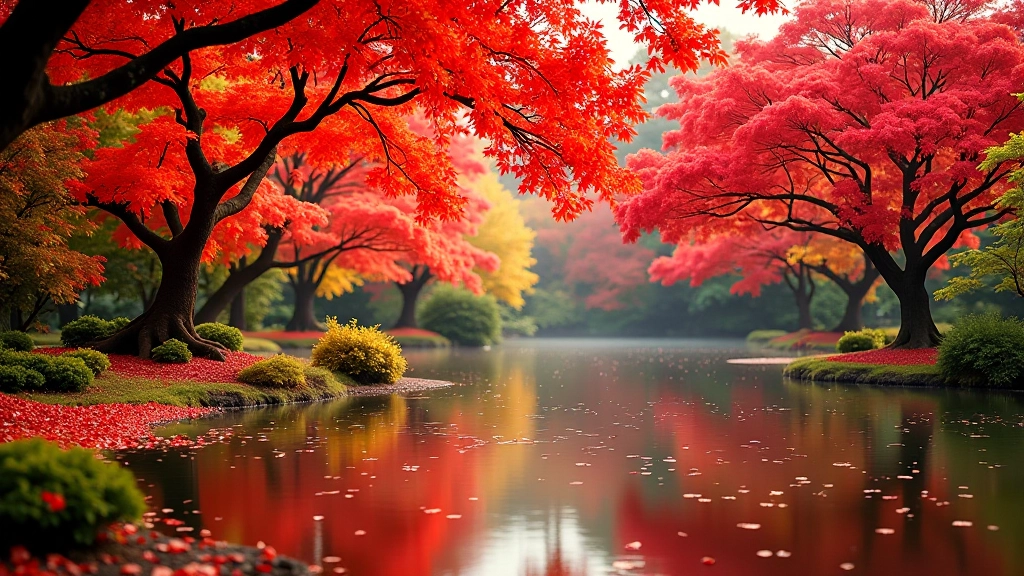
Autumn is perhaps the most dramatic season. Japanese maple leaves fall into the water, creating temporary patterns. The reduced light means the koi often congregate in deeper areas. Winter sees the ponds slowing down — fish enter a dormant state where they barely eat. Ice rarely forms completely at the Stud due to the water movement, but on cold mornings you'll see frost on the surrounding rocks.
Taking Your Time with the Water Features
The water garden at the Irish National Stud isn't something to rush through. We'd recommend spending at least 45 minutes in this section alone. Bring a book or just sit on one of the viewing platforms and observe. Watch how the koi behave. Notice how the light changes as it moves across the water surface. Listen to the waterfall.
Many visitors find the water features to be the most restorative part of their visit. There's something about the combination of moving water, living fish, and carefully composed landscape design that naturally slows you down. It's not accidental — that's exactly what Japanese garden design is supposed to do.
If you're visiting with seniors or anyone with mobility considerations, the main pond has accessible viewing areas with benches. The stepping stone sections do require some balance and mobility, but there are alternative pathways that offer views without needing to navigate the stones.