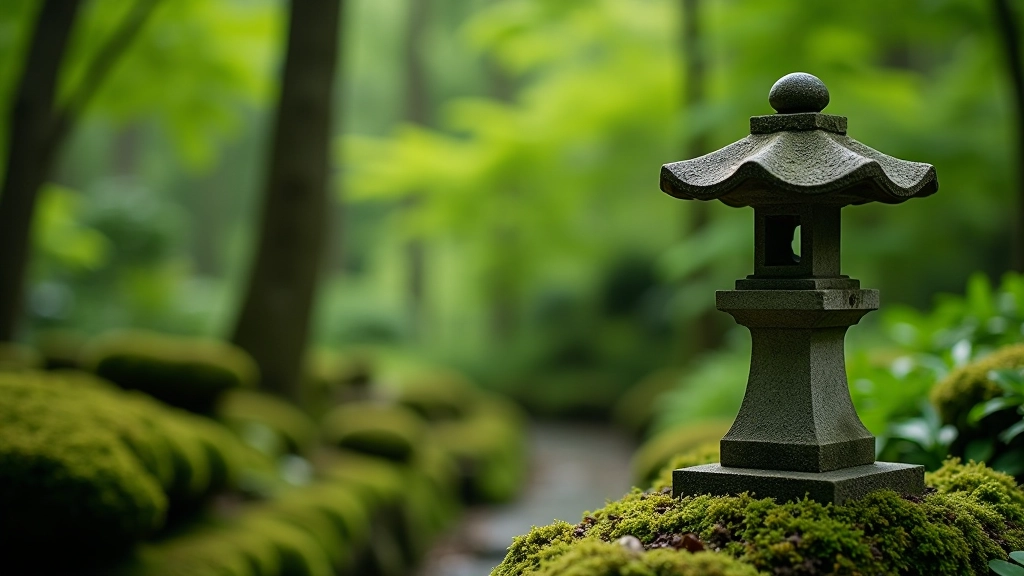
Understanding Japanese Garden Design Principles
Learn the core elements that make Japanese gardens so calming — from water placement to carefully chosen plantings and stone arrangements.
Read Full GuideDiscover peaceful pathways, traditional garden design, and accessible walking routes perfect for seniors exploring Kildare's most beautiful grounds.
The Irish National Stud in Kildare isn't just about horse racing — it's a destination for anyone seeking peaceful surroundings and authentic natural beauty. We've created something special here: meticulously maintained Japanese gardens inspired by centuries-old design principles, combined with rolling parkland that's perfect for leisurely walks.
Whether you're interested in garden design, looking for accessible walking paths, or simply want to spend an afternoon in nature, you'll find what you're looking for. Our grounds span over 400 acres, with pathways designed to be manageable for walkers of all abilities — especially those who prefer a gentler pace.
We're committed to making these spaces welcoming to everyone. That means clear signage, well-maintained paths, rest areas, and helpful information about what you're seeing as you explore.
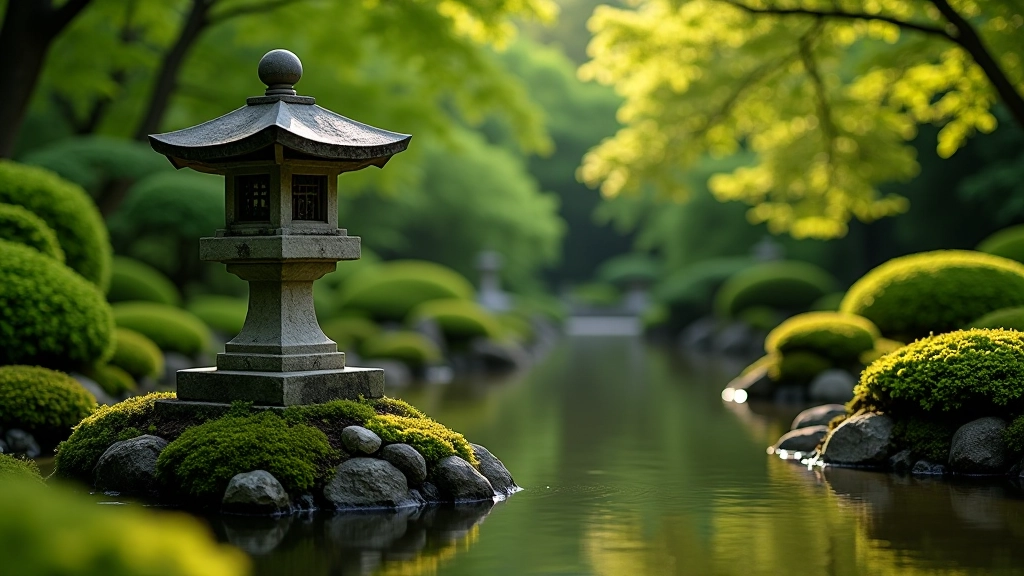
Each visit reveals something new — from water gardens to woodland paths to seasonal plantings.
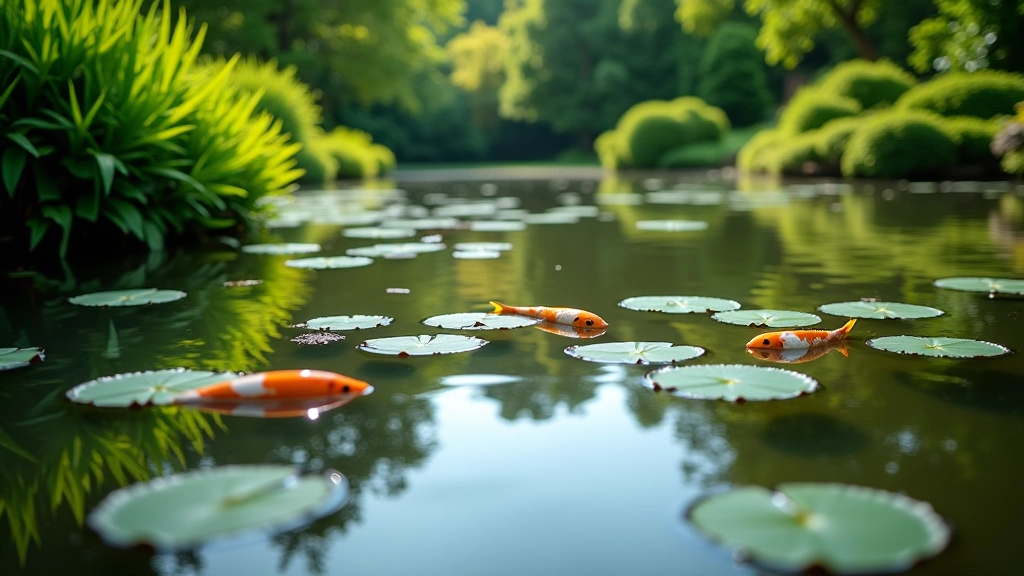
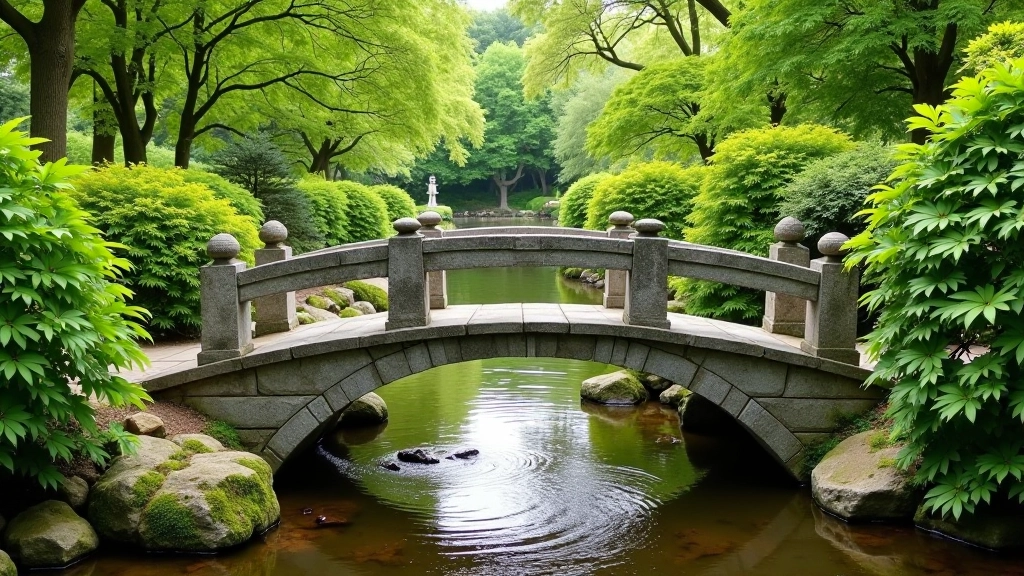
The centerpiece of our Japanese gardens. You'll see carefully maintained koi ponds, stone bridges, and water features designed to create a sense of calm and reflection. The sound of flowing water, the way light plays across the surface — it's all intentional.
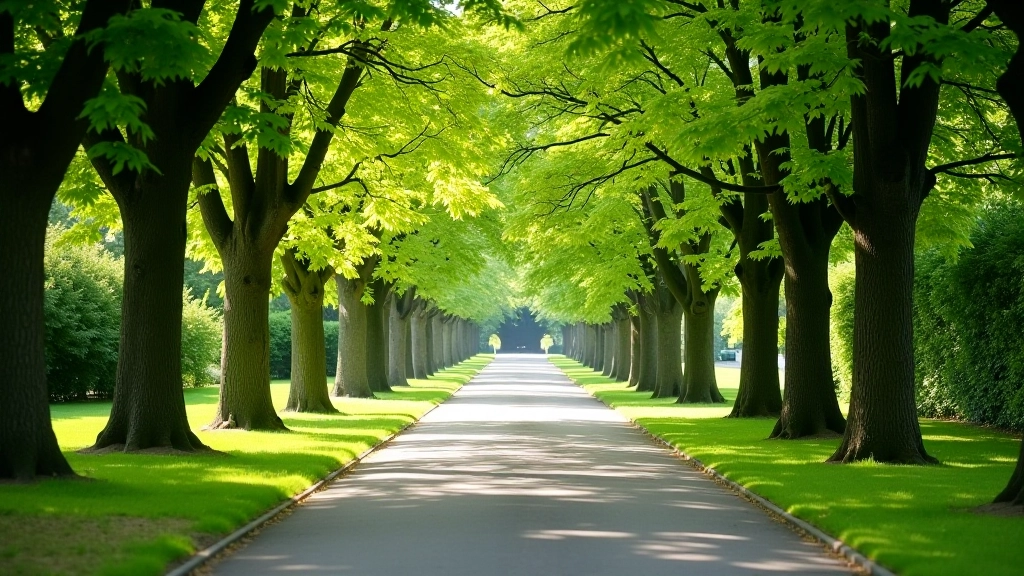
We've thought carefully about accessibility. Paths are wide enough for comfortable walking, well-maintained, and clearly marked. We offer routes for different fitness levels — choose a 15-minute stroll or a longer 90-minute walk through the parkland.
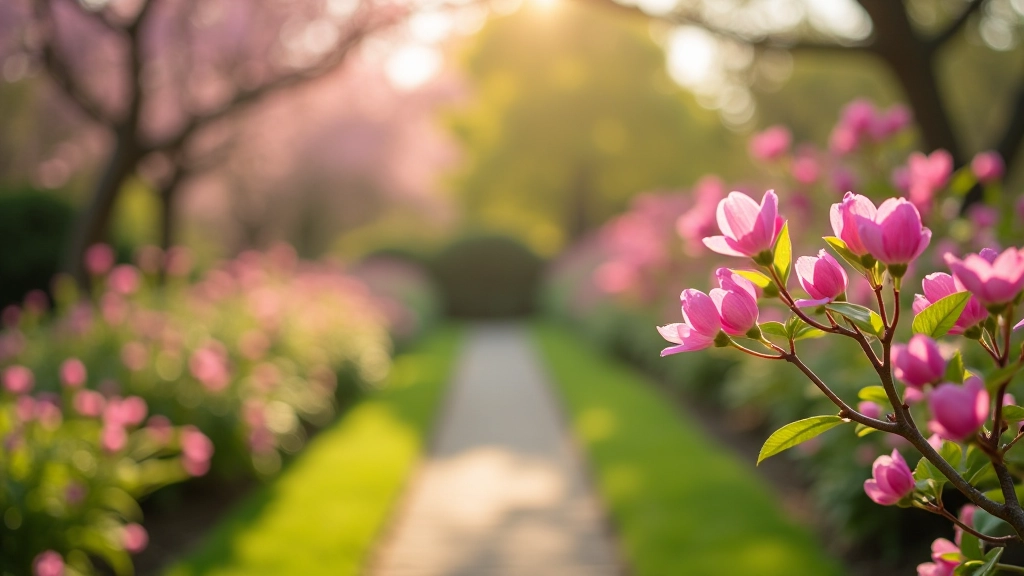
Spring brings cherry blossoms and fresh growth. Summer offers lush greenery and the full effect of our perennial gardens. Autumn transforms everything with warm colors. Even winter has its own quiet appeal. Each season brings different plants into focus.
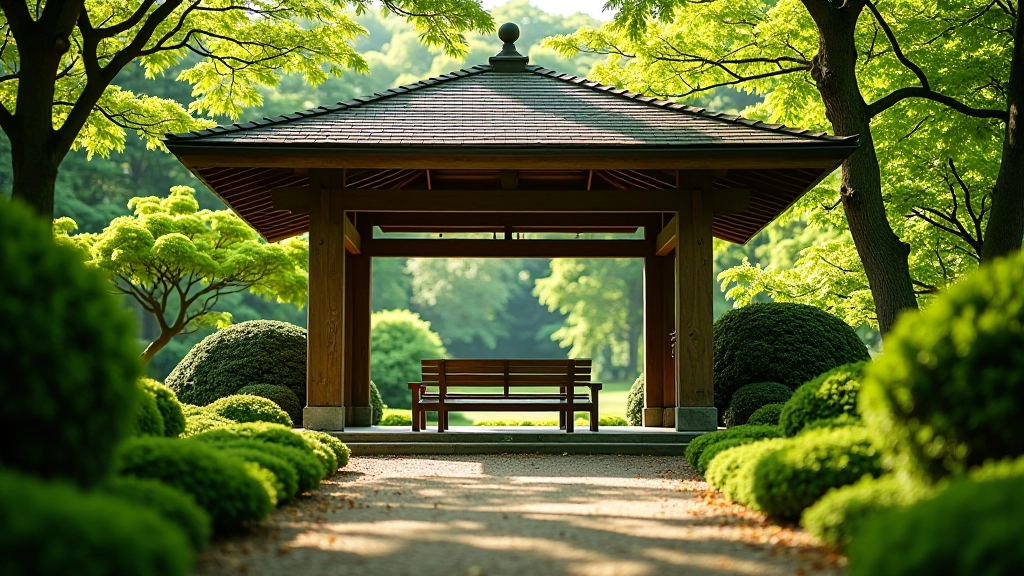
We've placed benches and rest areas throughout the grounds so you can take your time. Clean restrooms, drinking water stations, and covered areas for unexpected weather. Walking here shouldn't feel rushed.
There's something about these gardens and grounds that stays with you.
We've tried to think of everything that makes a visit enjoyable. The pathways are maintained year-round. In winter, we clear paths of snow and ice promptly. Spring and summer see regular watering and careful pruning to keep everything looking its best.
Most of our visitors tell us the same thing: they didn't realize how much time they'd spend here. What they thought would be a quick 30-minute walk turned into two hours of exploring, sitting by the water, and photographing details they noticed. That's exactly what we hope happens.
The Japanese gardens teach us something about patience and attention to detail. Every stone is placed with intention. Every plant serves a purpose. Walking through these spaces, you start to notice things you might normally miss.

Get detailed information about visiting hours, accessibility options, parking, and what to bring. Our team is ready to answer any questions you have.
Contact Us TodayWe've gathered the most common questions from visitors like you.
Is there accessible parking for visitors with mobility concerns?
Yes. We have dedicated accessible parking spaces close to the main entrance and garden areas. Parking is included with your admission.
How long does it take to drive from Dublin?
About 45 minutes to an hour depending on traffic. We're located in County Kildare, easily accessible from the M7 motorway.
Are there bus services that stop near the grounds?
Yes, local bus routes serve the area. We recommend checking the local transport website for current schedules and routes.
What's the easiest walking route for seniors?
Our Japanese garden circuit is about 800 meters and takes 20-30 minutes at a comfortable pace. It's flat, well-maintained, and has several rest areas.
Can I use a walking stick or walking aid on the paths?
Absolutely. All our paths are designed to accommodate walking aids. The surfaces are stable and even throughout.
Are wheelchair users able to access the gardens?
Yes. Our main pathways are wheelchair-accessible. Some of the narrower garden paths aren't suitable for wheelchairs, but most of the grounds are accessible.
What's the best season to see the gardens?
Each season offers something different. Spring (April-May) brings cherry blossoms. Summer shows full growth and greenery. Autumn has warm colors. Even winter has its quiet appeal.
Are the grounds open year-round?
Yes, we're open 365 days a year. Weather doesn't usually close us down, though we recommend checking weather forecasts for winter visits.
What time of day is quietest?
Weekday mornings and early afternoons tend to be less busy. Summer weekends attract more visitors, but the grounds are large enough that you'll still find peaceful spots.
Detailed guides to help you make the most of your visit.
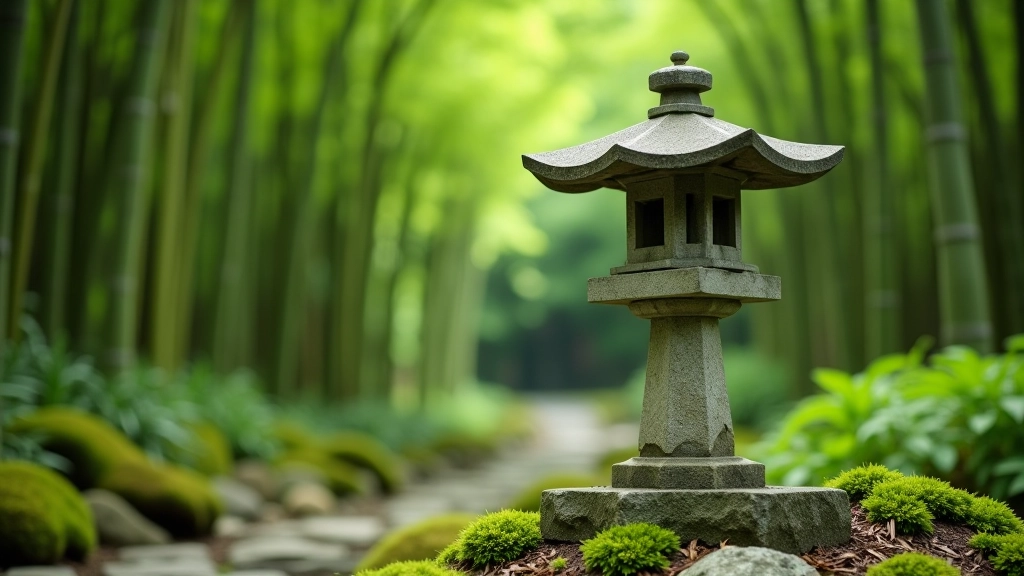
Learn the core elements that make Japanese gardens so calming — from water placement to carefully chosen plantings and stone arrangements.
Read Full Guide
A practical guide to the easiest, most scenic routes with accessible facilities, rest spots, and helpful distance information.
Read Full Guide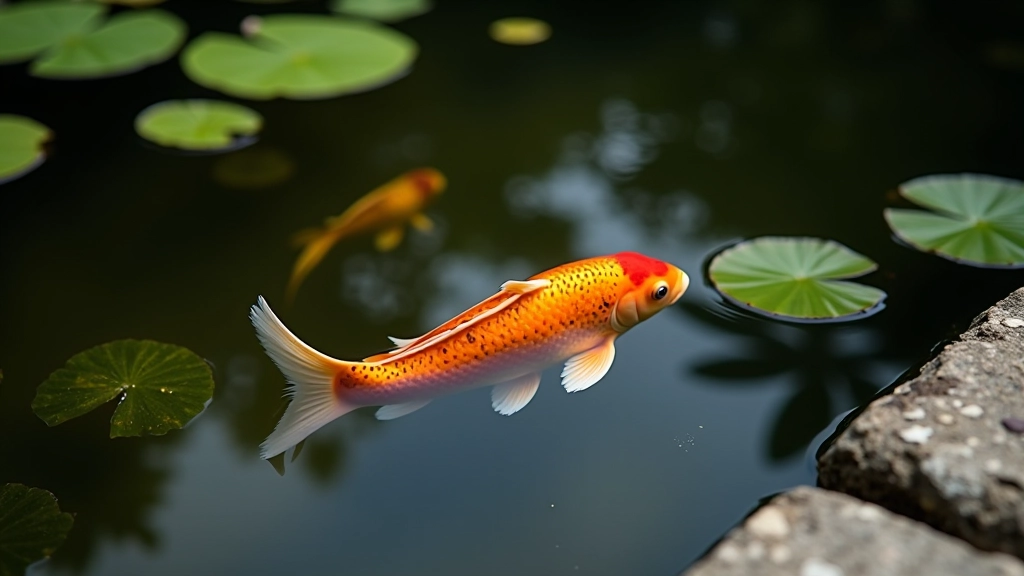
Discover what makes our water gardens special, from the koi themselves to the stone bridges and carefully designed water flow.
Read Full GuideA glimpse of what awaits you when you visit.