Water: The Living Element
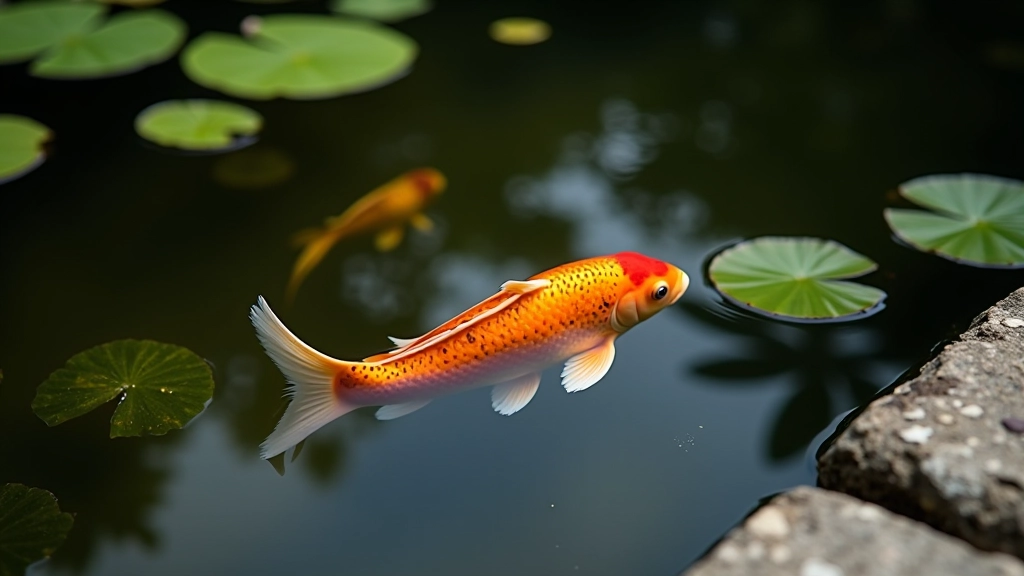
Water is never just decoration in a Japanese garden. It's alive, moving, and constantly changing. Whether it's a flowing stream, a still pond, or the sound of water trickling over stones, water represents life and movement within the peaceful setting.
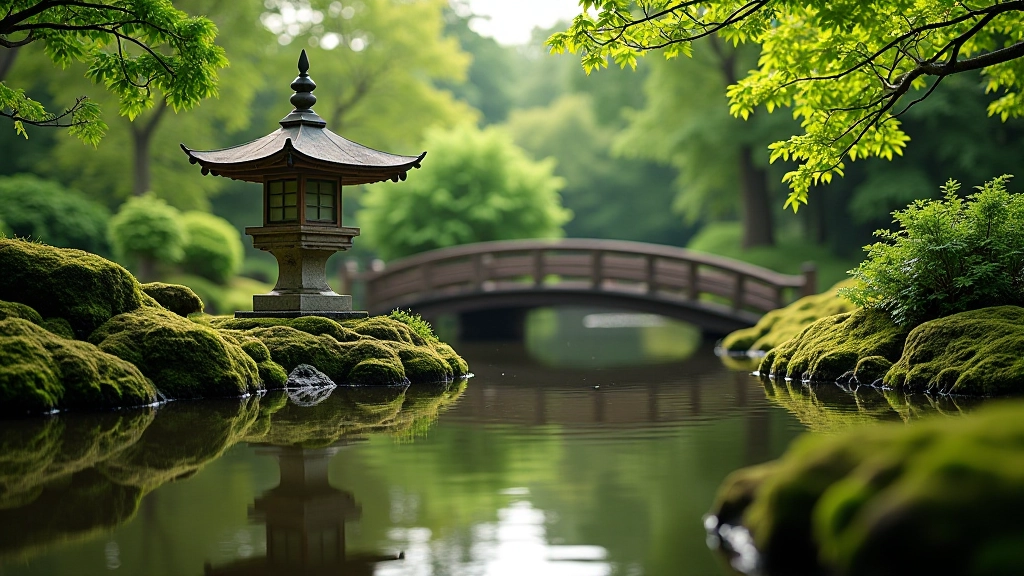
Ponds are typically designed with gentle curves rather than straight lines. They're often positioned to reflect the surrounding landscape — mountains, trees, sky. This reflection doubles the visual experience and creates a sense of depth. The water's surface becomes like a mirror, and you'll notice designers carefully control what gets reflected.
Streams flow in specific patterns too. They wind through the garden, creating natural boundaries and leading visitors along planned routes. The sound of flowing water is therapeutic — studies show it reduces stress. Designers knew this centuries before modern science confirmed it.
About This Guide
This article provides educational information about traditional Japanese garden design principles. It's meant to deepen your appreciation when visiting gardens like those at the Irish National Stud. Individual gardens vary in their implementation of these principles based on climate, space, and cultural context. For specific information about particular gardens or design services, contact the venue directly.
Stone and Rock: The Permanent Bones
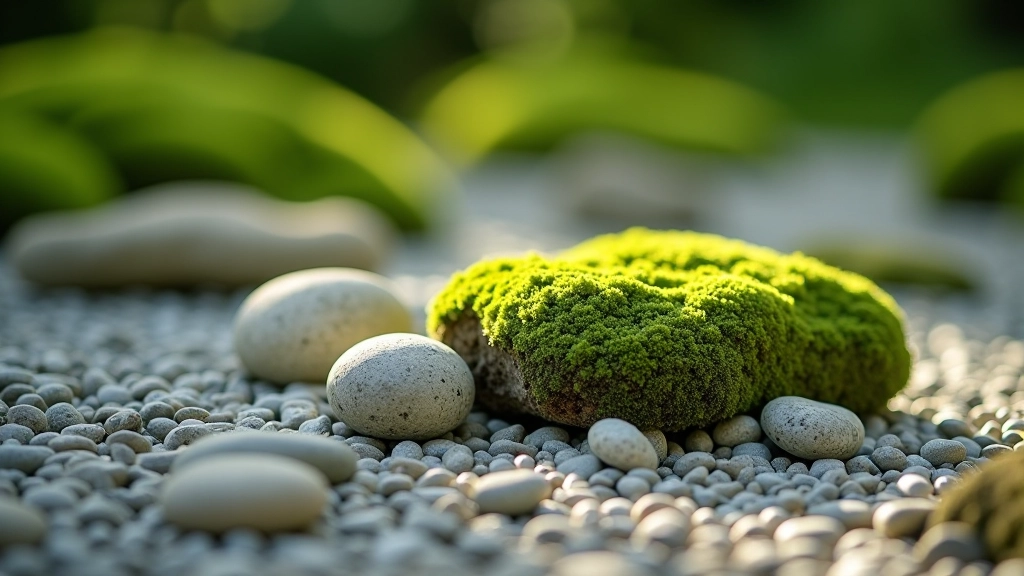
Stones aren't placed randomly. Each one is selected for its shape, color, and character. Some stones represent mountains or islands. Others create boundaries or frame views. The placement follows principles developed over centuries — there's a right way to position them based on their size and natural contours.
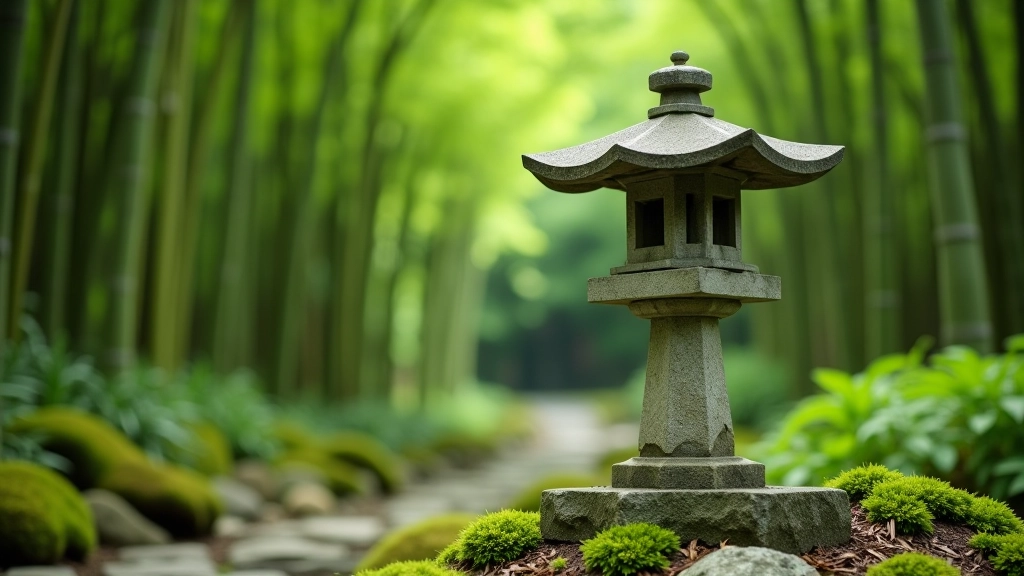
Stone lanterns (called ishidoro) are iconic in Japanese gardens. They're not just beautiful — they're functional. They light pathways in the evening and mark important viewing points. A traditional stone lantern has several parts: a base, pedestal, light chamber, and roof. Each style tells something about the garden's history and purpose.
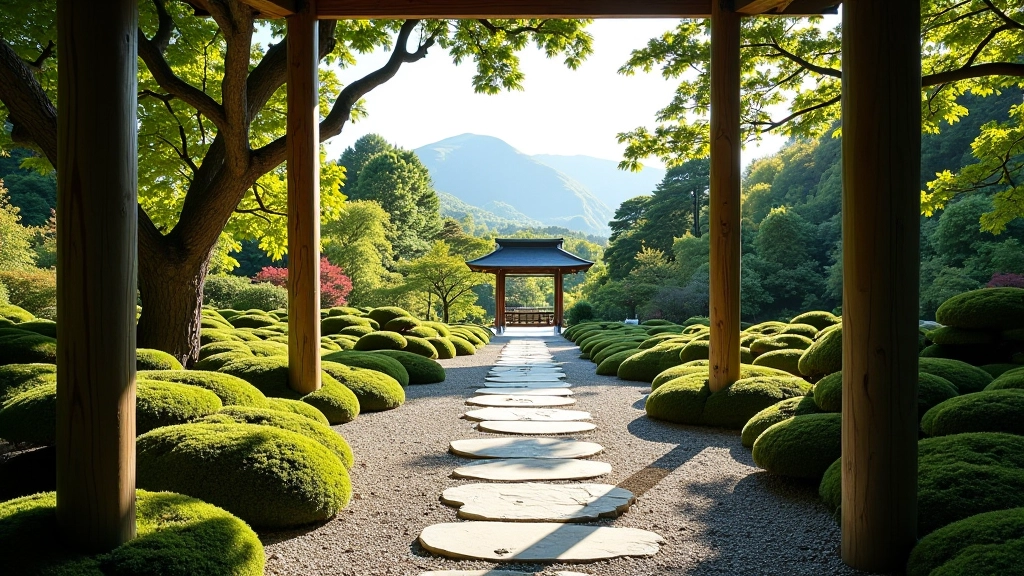
Stepping stones create pathways that guide you through the garden at a specific pace. They're spaced deliberately — not too close, not too far. Walking across them becomes a meditative act. You're forced to slow down, watch where you step, and notice details you might otherwise miss.
Plants: Chosen for Purpose
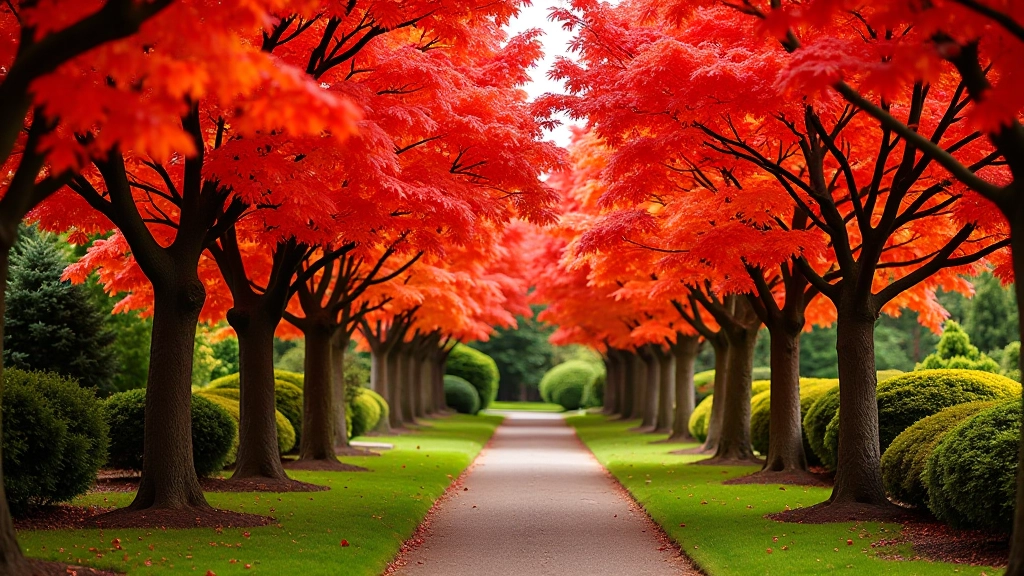
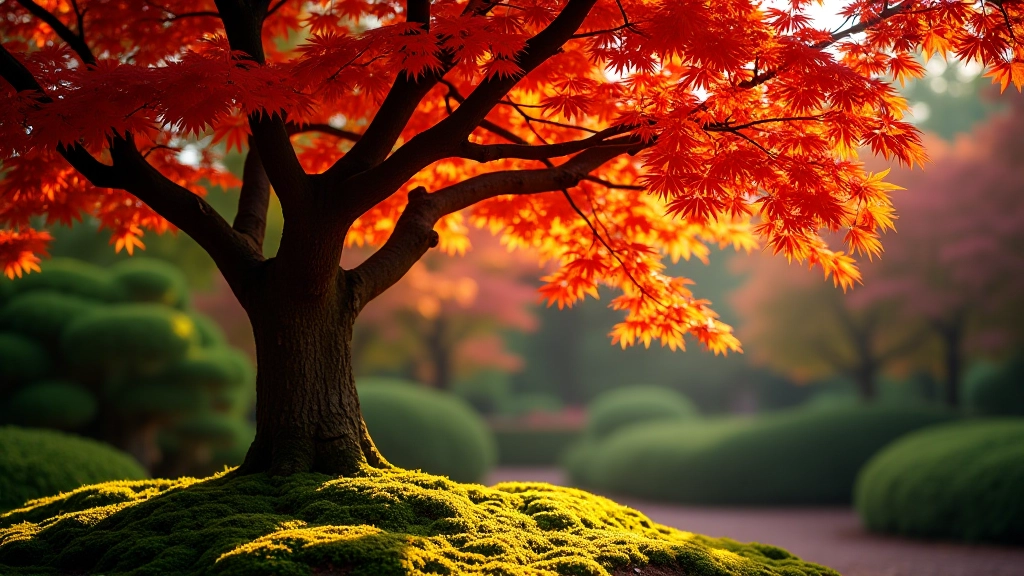
Plant selection in Japanese gardens is incredibly deliberate. It's not about having the most colorful flowers. Instead, designers choose plants for their form, texture, and seasonal changes. A single Japanese maple might be the focal point of an entire garden because of its graceful shape and how its leaves change color through the year.
Evergreen plants form the structure. Bamboo creates screens and adds movement when wind passes through. Moss covers the ground like a soft carpet. Flowering plants are used sparingly — a cherry tree in spring, azaleas in early summer. When they bloom, they're spectacular because they're not competing with dozens of other flowers.
Trees are pruned to enhance their natural shape rather than force them into artificial forms. You'll notice carefully maintained branches that let light filter through in specific ways. This isn't neglect — it's the result of years of understanding how each plant grows and responds to pruning.
Balance and Asymmetry
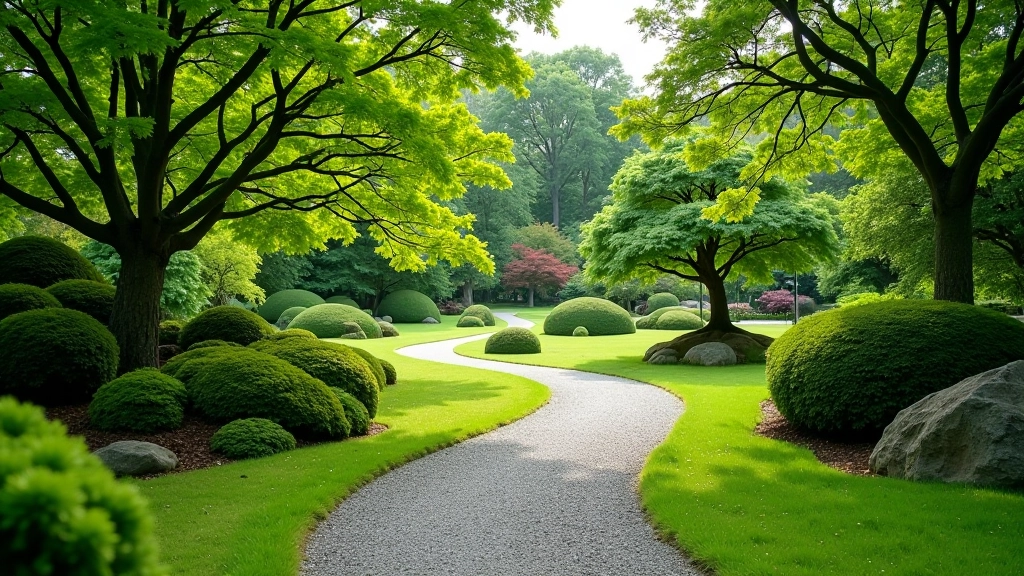
Western gardens often aim for symmetry — matching plants on both sides of a path, centered focal points. Japanese gardens do the opposite. They use asymmetry to create visual interest and a more natural feel. This doesn't mean random. It means thoughtfully off-balance in ways that feel right.
The principle of odd numbers applies here. Groups of three rocks feel more natural than pairs. Five stepping stones create better rhythm than four or six. This comes from observing nature — things rarely occur in perfect symmetry in the wild, and Japanese garden designers replicate that authenticity.
Empty space is as important as filled space. A garden isn't successful because it's packed with elements. It's successful when each element has room to breathe. You'll notice areas of raked gravel or open water that let your eye rest between focal points.
Perspective and Borrowed Views
Japanese gardens don't exist in isolation. They're designed to borrow views from the surrounding landscape. A distant hill becomes part of the garden's composition even if it's outside the garden boundaries. This technique is called shakkei, and it's one of the most sophisticated design principles.
Pathways are intentionally curved so you can't see the entire garden from one spot. Each turn reveals something new. This creates a sense of discovery — you're not just walking through a garden, you're exploring it. The garden feels larger than it actually is because you're constantly encountering new perspectives.
Viewing stones and platforms are positioned at specific points to frame the best views. You'll stand on a bridge or beside a lantern and notice how everything aligns perfectly from that angle. It's like the garden is composed for your eye. This isn't accidental — designers spend considerable time determining optimal viewing points.