Why Timing Matters for Your Visit
The Japanese gardens at the Stud transform throughout the year. Each season brings something different — whether it's the soft pastels of spring blossoms or the dramatic reds of autumn foliage. Understanding what blooms when helps you plan the perfect visit.
For visitors who prefer quieter paths and easier walking, knowing the seasonal patterns makes a real difference. You'll discover which months have fewer crowds, when the gardens feel most peaceful, and which times offer the best photo opportunities. We've spent years watching these gardens change, and we're sharing what we've learned.
Spring: Cherry Blossoms & Fresh Growth
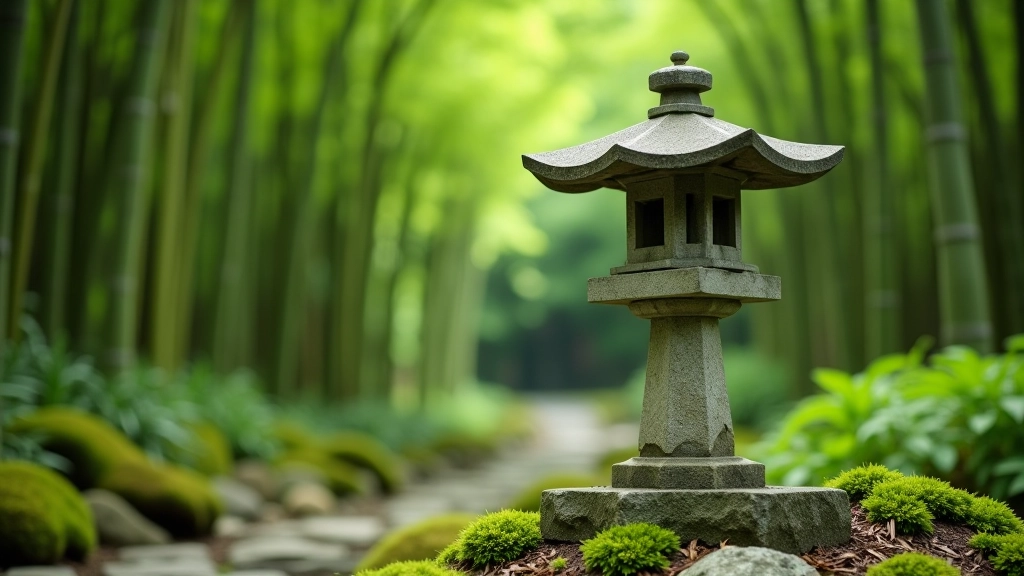
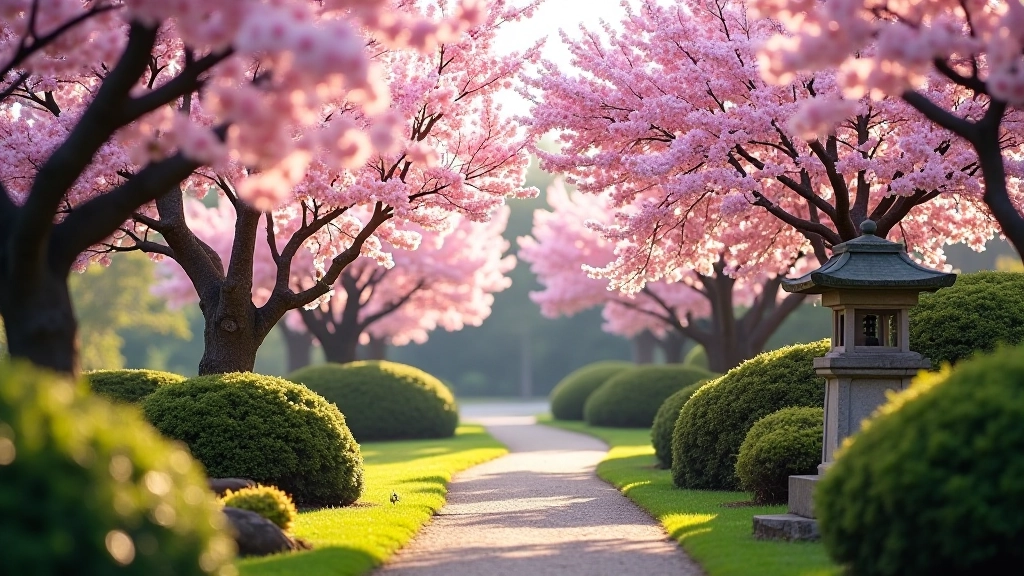
Spring arrives in late March, and that's when things get really interesting. The cherry trees start their show — usually peaking in mid-April. You'll see soft pink and white blossoms against the garden's stone lanterns and water features. It's genuinely breathtaking.
The paths are also at their best in spring. They're well-maintained after winter, and the grass has recovered. Temperatures hover around 12-15°C, so you don't overheat on longer walks. The gardens open up too — less dense foliage means you can see deeper into the garden's design.
- Peak bloom: Mid-April through early May
- Best visiting hours: Early morning (before 10am) for fewer crowds
- Bring layers — mornings are cool but afternoons warm up
- Expect higher visitor numbers on weekends
Summer: Greenery & Water Features
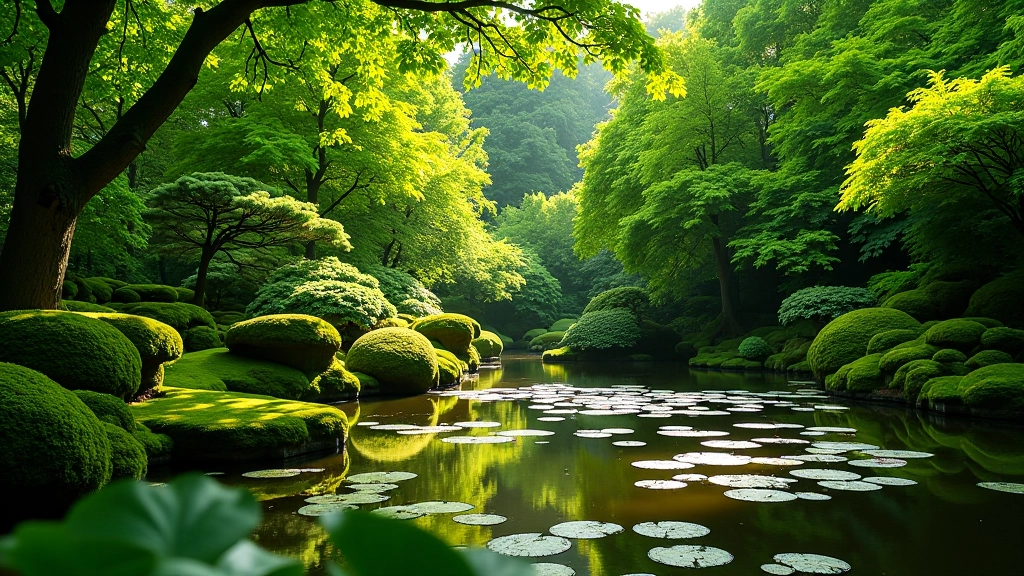
June through August is peak green season. The gardens become incredibly lush. Irises bloom along the water features, and the moss-covered stones create natural humidity. If you're looking for a calm, meditative walk, summer's dense foliage provides plenty of shade.
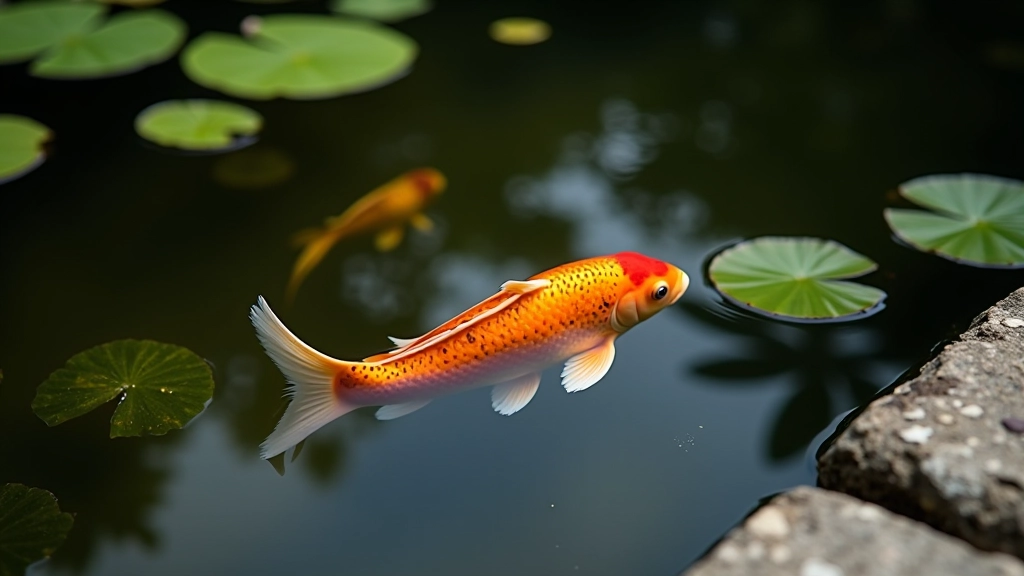
This is when the water features really shine. Koi ponds are active, streams flow steadily, and everything feels alive. Temperatures can reach 20-22°C, so dress for warmth but bring a light jacket for early morning or evening visits. Summer's also when you'll see fewer seniors visiting — many prefer the cooler months.
The downside? July and August attract tourists. The gardens are busy on weekends. But if you go mid-week, you'll often have peaceful walks. The grounds don't get overwhelmingly crowded — it's not a theme park. Just busier than spring or autumn.
Planning Your Visit
This guide is informational to help you understand seasonal patterns at the gardens. Weather conditions, bloom times, and visitor numbers vary year to year. We recommend checking the current conditions and accessibility information before your visit, especially if you're planning specific activities or have mobility requirements. The gardens' website and staff can provide up-to-date details on paths, facilities, and any seasonal closures.
Autumn: Peak Colors & Perfect Weather
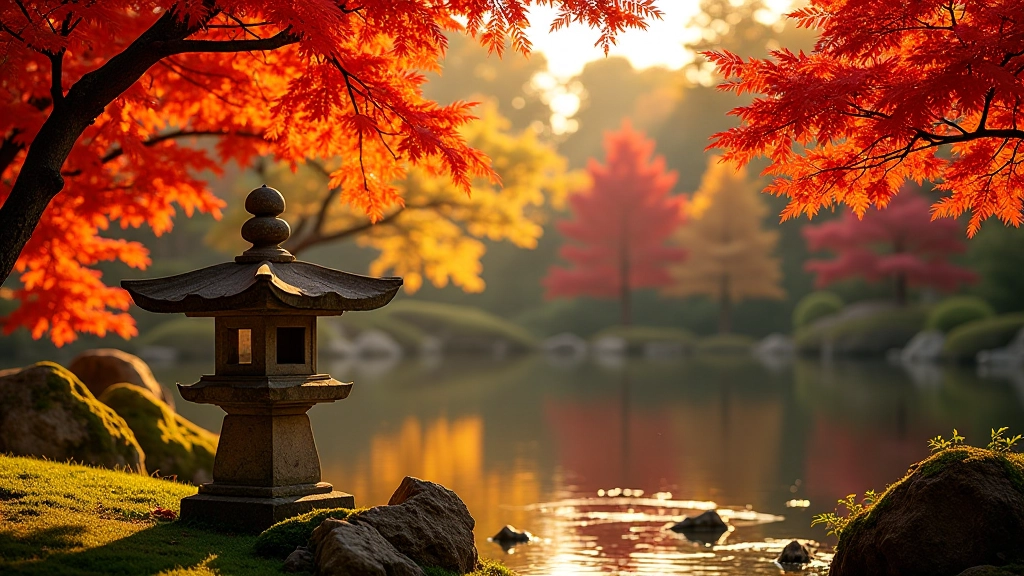
September through November is probably the best time to visit if you want the whole experience. The weather's genuinely perfect — cool enough to walk comfortably, warm enough that you don't need heavy gear. Temperatures sit around 10-16°C, which is ideal for longer walks without overheating.
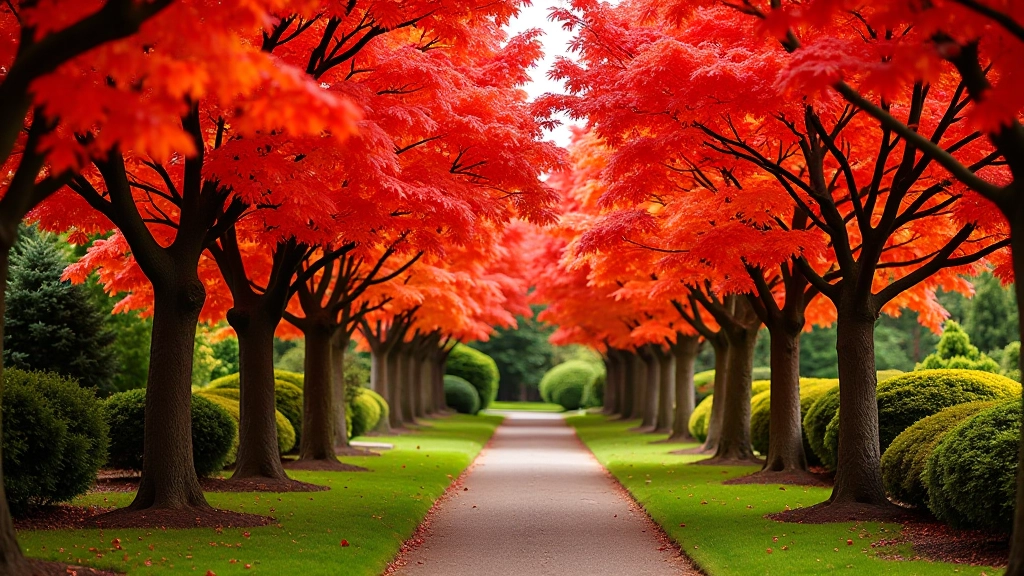
The maples turn brilliant reds and oranges starting in October. It's not a short show either — you've got a solid 4-6 weeks of color changes to enjoy. The garden's design really pops when you can see the red foliage against the stone features and water.
Autumn's also when many senior visitors come. The paths are busier than summer, but still manageable. Weekday mornings are quieter. The gardens are well-maintained during this season because they know it's peak visiting time.
Winter: Quiet Beauty & Accessibility
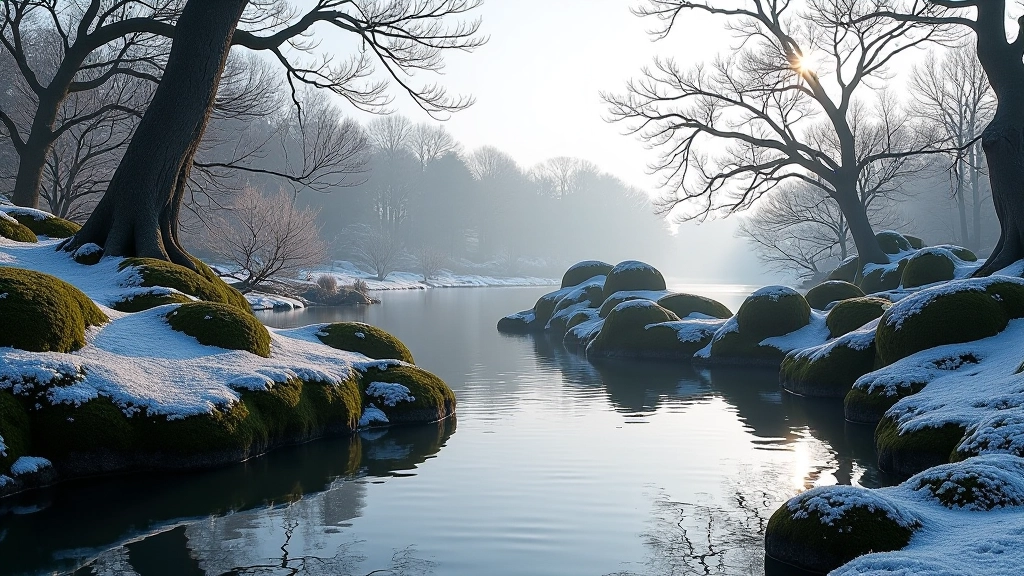
December through February brings something most people overlook — genuine peace. The gardens are quiet. Visitor numbers drop significantly, so you can actually hear the water features and enjoy the garden's design without feeling rushed.
Winter's aesthetic is minimalist. Frost forms on moss and stone. The bare branches create interesting shadows. If you enjoy photography or prefer solitude, winter's your season. Temperatures dip to 3-7°C, so bundle up, but the paths are generally clear and well-maintained.
For seniors, winter has trade-offs. The cold can be tough on joints, and icy paths are a real concern after frost or light snow. But if you're comfortable with cool temperatures and the gardens have treated the paths, winter walks can be really rewarding. You'll have the gardens almost to yourself.
Quick Seasonal Comparison
Spring
Cherry blossoms, fresh paths
Perfect weather, beautiful blooms, moderate crowds on weekends
Summer
Lush green, active water
Warm, shade available, busier on weekends, quieter mid-week
Autumn
Peak foliage colors
Ideal weather, stunning visuals, most popular season
Winter
Minimal crowds, stark beauty
Cold, quiet, minimalist aesthetic, fewer visitors
Practical Tips for Any Season
Before You Go
- Check the weather forecast — Irish weather's unpredictable
- Wear layers — temperature shifts happen quickly
- Bring proper walking shoes with good grip
- Pack water and snacks — the gardens are bigger than they look
- Go mid-week if possible for fewer crowds
During Your Visit
- Start at the main path and explore side routes gradually
- Take breaks at benches — there's no rush
- Bring a camera or phone for photos
- Ask staff about accessibility if you need assistance
- Stay on marked paths to protect the gardens
Planning Your Perfect Visit
There isn't really a "wrong" time to visit the Japanese gardens. Each season has its own character. Spring feels fresh and hopeful. Summer's peaceful and green. Autumn's dramatic and colorful. Winter's quiet and contemplative.
If you're visiting for the first time, autumn's probably your safest bet — the weather's ideal, the visuals are stunning, and you'll understand why people come back year after year. But if you prefer solitude or specific weather conditions, you've got options every month of the year.
The gardens are designed to reward multiple visits. What you see in April is completely different from what you'll see in October. That's the point. Come back different seasons and you'll understand the gardens differently each time. You'll notice new details, new paths, new perspectives. That's when these gardens really start making sense.